Pakistan Closes Afghan Border Amid Security Crisis
A surge in cross-border violence and civilian casualties drives Islamabad to seal key crossings, testing regional stability and livelihoods along the frontier.
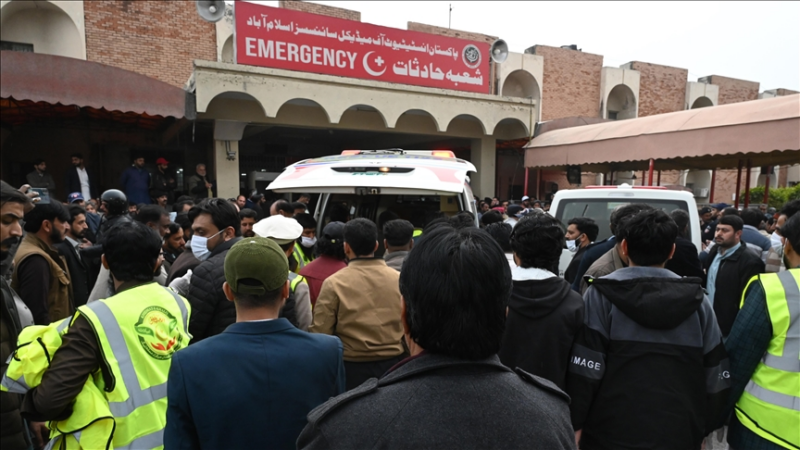
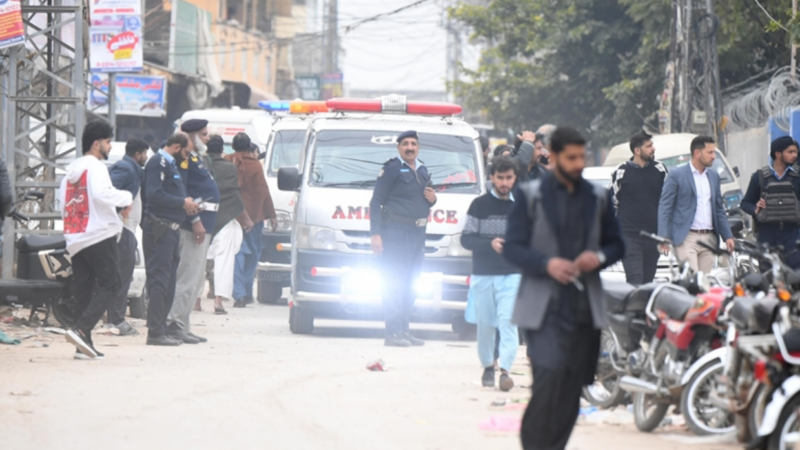
In the closing months of 2025 and the opening weeks of 2026, the border between Afghanistan and Pakistan has become a flashpoint for violence, tragedy, and diplomatic tension. According to reports from the United Nations Assistance Mission in Afghanistan (UNAMA), the last quarter of 2025 saw an unprecedented spike in civilian casualties attributed to Pakistani military actions in Afghanistan. At the same time, Pakistan’s government has taken the extraordinary step of temporarily closing key border crossings, a move it frames as a necessary, if painful, response to mounting security threats emanating from Afghan territory.
From October 1 to December 31, 2025, UNAMA documented a staggering 70 civilian deaths and 478 injuries in Afghanistan, all linked to Pakistani military forces. Most of these casualties occurred during a particularly violent period—from October 10 to October 17—when cross-border tensions boiled over into direct clashes between Afghan de facto security forces and their Pakistani counterparts. In just those few days, over 500 civilians were caught in the crossfire, with 47 killed and 456 wounded, according to UNAMA’s systematic records. The organization, which has tracked such incidents since 2011, noted that the civilian toll in this brief window far exceeded annual casualty figures from previous years.
What’s driving this surge in violence? The answer, at least from Islamabad’s perspective, is rooted in a year-long pattern of terrorist attacks within Pakistan’s own borders. As reported by multiple outlets, Pakistani officials have traced a steady drumbeat of these attacks back to militant networks operating with apparent impunity on Afghan soil. The border region itself remains notoriously porous and rugged, making it a challenge for even the most determined authorities to police effectively. Remote districts on both sides have suffered, with security personnel and civilians alike paying the price.
In response to these threats, Pakistan announced on February 9, 2026, the temporary closure of key border crossings with Afghanistan. While some observers have described this move as an economic self-inflicted wound—depriving already fragile border communities of vital trade and transit—Pakistani officials insist that the decision is not about commerce, but survival. For Islamabad, border management has shifted from being a matter of customs and tariffs to an instrument of national security. “The protection of lives must take precedence over short-term economic pain,” a Pakistani official told local media, echoing the government’s security-first doctrine.
The trade-offs are immediate and severe. Border communities that rely on cross-border trade have felt the impact most acutely, with supply chains disrupted and trust between neighbors eroding further. Yet, as Pakistani authorities argue, the alternative—keeping crossings open while militant groups exploit them for movement, logistics, and infiltration—has proven even costlier. Islamabad’s position is straightforward: no state can be expected to tolerate a situation where its citizens are targeted by groups that enjoy freedom of movement just across the border.
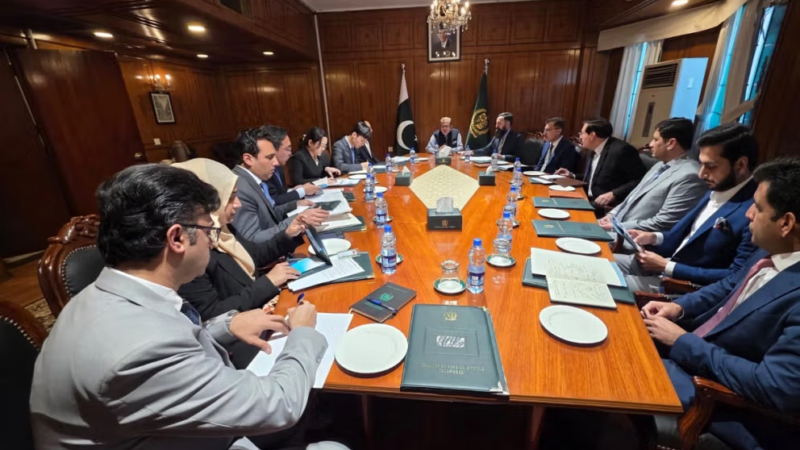
Pakistan’s approach is not without legal backing. International law, as well as United Nations Security Council resolutions, obligate states to prevent their territory from being used for cross-border violence. In this context, Pakistan’s demand that Afghan soil not be used to plan or launch attacks is neither exceptional nor punitive—it’s a principle embedded in the global counterterrorism framework. Pakistani officials have repeatedly presented evidence in both bilateral engagements and international forums linking attacks inside their territory to safe havens across the Afghan border.
According to government spokespeople, the recent closures are best understood not as an abandonment of regional connectivity but as a temporary, calibrated disruption aimed at denying militants easy passage. “Security is not the enemy of regional integration; it is its prerequisite,” an official statement read, underscoring the belief that sustainable economic ties can only be built atop secure and predictable borders.
This stance has been communicated clearly and consistently. Islamabad continues to insist that terrorism—rather than politics or trade rivalry—remains the sole obstacle to normalization with Kabul. Officials have signaled a willingness to restore and even expand trade, transit, and people-to-people ties, but only once meaningful steps are taken to curb militant activity. In their words, the border closures are not a rejection of cooperation but a conditional pause: “Sustainable economic integration cannot be built atop insecurity,” a senior Pakistani diplomat told international press, emphasizing the need for tangible measures to dismantle terrorist networks before gates can reopen.
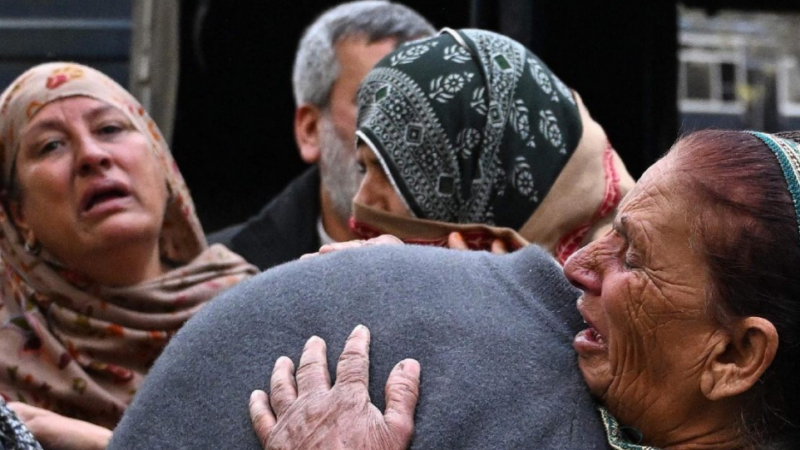
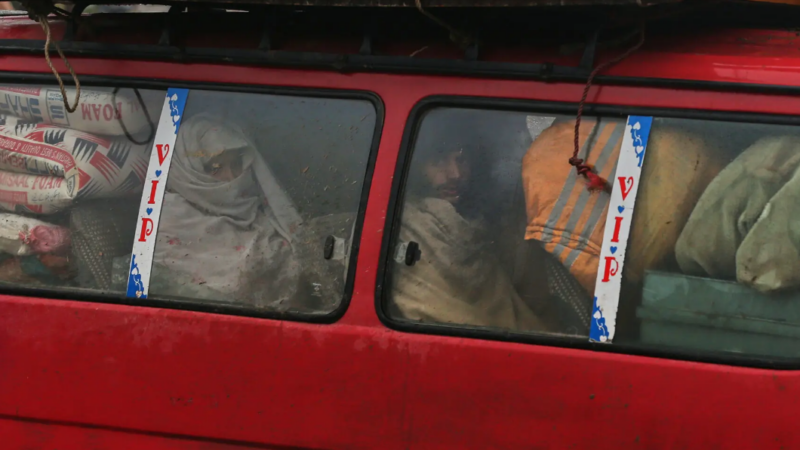
The human cost of these policies, however, is undeniable. For families living in the shadow of the Durand Line, the border’s closure means more than just economic hardship; it severs social and familial ties that have spanned generations. Markets on both sides have grown quieter, with merchants lamenting the loss of customers and livelihoods. “Trade thrives where roads are safe, markets predictable, and borders governed by trust,” observed a regional analyst quoted by Dawn, Pakistan’s leading English-language newspaper. Without these foundations, commerce becomes hostage to violence.
Yet, Islamabad’s calculus remains unchanged. The government argues that measures like tightened border controls, suspended crossings, and stricter enforcement are legitimate tools of defense—practices adopted by states worldwide when confronted with credible and ongoing security threats. To portray Pakistan’s response as uniquely harsh, they contend, is to ignore the broader international pattern. The uncomfortable truth, as Pakistani officials see it, is that economic openness without security safeguards can enable violence rather than pave the way to peace.
For Afghanistan, the situation is equally dire. The surge in civilian casualties documented by UNAMA has raised alarm bells within the international community. Humanitarian organizations warn that the escalating violence threatens not only immediate lives but also long-term prospects for stability in the region. The fact that civilian casualties in the final quarter of 2025 alone exceeded annual totals from previous years underscores the gravity of the crisis.
As both countries grapple with the fallout, the path forward remains uncertain. Pakistan’s message is clear: the gates can reopen—physically and politically—if and when tangible steps are taken to deny terrorists safe haven and operational space. Until then, border management will remain, in Islamabad’s words, a defensive, lawful, and necessary instrument to safeguard lives today in the hope of genuine cooperation tomorrow.
For now, the border remains both a barrier and a battleground, with ordinary people caught in the middle. Whether future months will bring the trust and security needed to restore normalcy remains to be seen. But the stakes—measured in lives, livelihoods, and the fragile hope for peace—could hardly be higher.