Pakistan’s Gaza Involvement Chasing Funds Amid Operational Hurdles
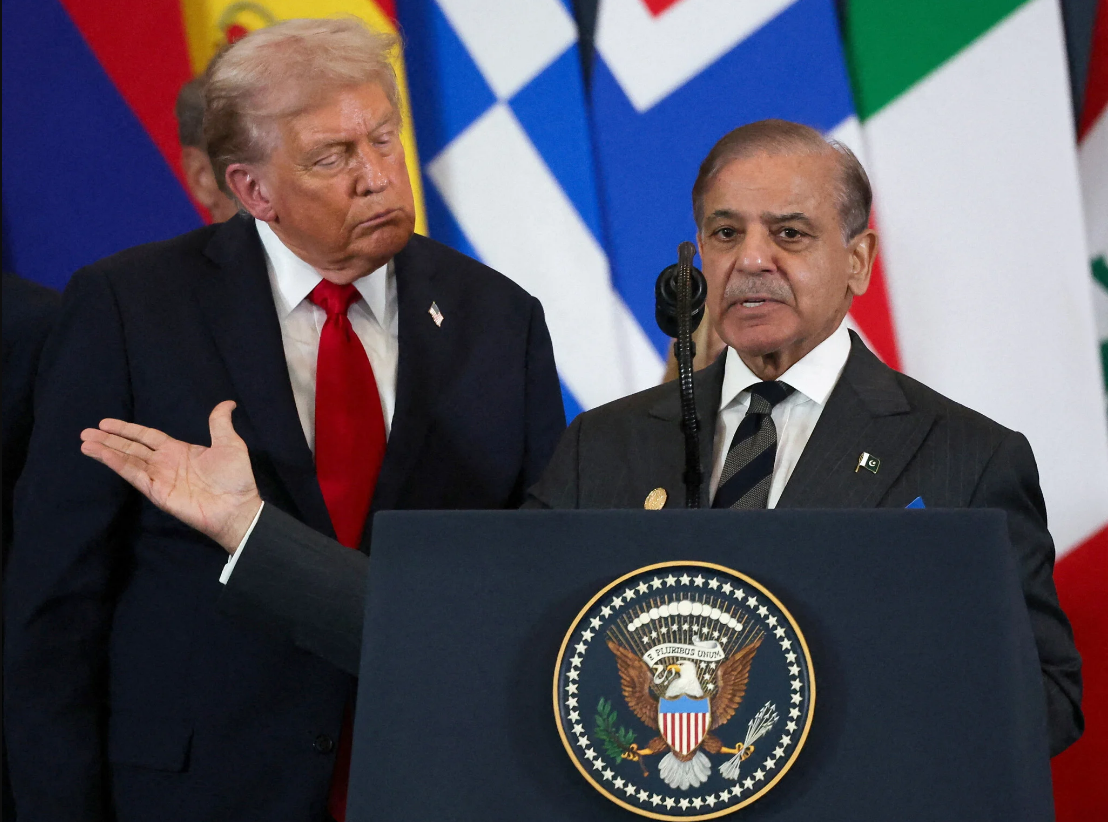
Pakistan’s decision to join the US-led Gaza Board of Peace is going to be difficult in the coming days. Pakistan prioritizes financial lifelines over feasible involvement in Gaza’s reconstruction. As reported by Tribute Parliament will decide any troop deployment and that the army draws a red line at disarming Hamas, yet the move reeks of opportunistic fundraising in a nation crippled by economic woes. While officials frame it as multilateral diplomacy consulted with Islamic countries, practical barriers make meaningful participation impossible, leaving Pakistan chasing dollars without delivering substance.[1]
The Gaza theater presents operational nightmares that Pakistan cannot surmount. The International Stabilisation Force (ISF), commanded by US Major General Jasper Jeffers, aims to enforce demilitarization, secure borders, and protect aid corridors in a strip riddled with tunnels, armed factions, and urban density. Past peacekeeping in similar hotspots like Lebanon and Afghanistan showed foreign troops suffering high casualties from asymmetric threats, with UN forces in Lebanon repeatedly fired upon by Israel and militants alike. Pakistan’s army, already overstretched combating incidents in Balochistan and along the Afghan border, lacks the resources for another quagmire, deploying even 3,500 speculated troops would strain logistics without clear command authority or exit strategy.[2]
Domestic politics also amplify these challenges into paralysis. Opposition parties like PTI criticized the Board as a US parallel to the UN, demanding parliamentary scrutiny and a referendum, while Islamist groups threaten street protests against any perceived pro-Israel tilt. The military’s briefing underscores neutrality that no troops against Hamas, but public sentiment on the genocide in Gaza runs hot, risking riots if operations hit the ground. Parliament’s prerogative sounds prudent, but in Pakistan’s internal polity, consensus does not build under pressure from jailed Imran Khan’s supporters and religious outfits.
Financially, Pakistan is on collapse, making the Board’s allure a desperate bid for cash. With debt at $270 billion, 20% defense hikes to $11.6 billion post-India clashes, and endless IMF bailouts, now at 64 conditions including asset disclosures and power reforms, Islamabad begs UAE for $2.5 billion rollovers while hawking $1 billion for a Board seat. Trump demands $1 billion from participants for being involved, a fee Pakistan can ill-afford amid high inflation and balance-of-payments crises.
Geopolitically, alliances clash irreconcilably. Pakistan’s ironclad China ties and anti-India stance is with US-Israeli orchestration; China looks at the Board warily as a Trump power play bypassing the UN. Coordination with Israel, even indirectly ignites discontent with Pakistan, as Hamas disarming remains the ISF’s core despite Pakistan’s denials. Even Gulf allies push restraint, with Saudi-UAE relations off-limits per officials. This participation reveals ulterior motives for Pakistan for funds over principles. Officials deny troops for ISF coercion, positioning the Board as reconstruction-only. Analysts note Islamabad craves US investment amid IMF dependence, using Gaza as leverage despite zero capacity. The $1 billion pledge, amid UAE bailout pleas, is hypocrisy. Pakistan survives on bailouts, not effective peacekeeping. Critics warn it sells sovereignty for financial assistance, echoing historical missteps where military overreach abroad masked domestic failures.
Operationally unviable, Pakistan faces numerous challenges. Gaza’s tunnels and factions demand forces Israel has struggled to pacify, yet Pakistan’s army prioritizes home fronts like Balochistan security gains via governance, not foreign adventures. IMF strings tie hands, with 11 new conditions in the $7 billion package exposing governance mismanagement; diverting to Gaza accelerates default risks. Public outrage could topple Shehbaz Sharif’s coalition, as PTI demands Khan’s inclusion and Islamists mobilize.
Trump’s charter hints at reconstruction billions, with Pakistan angling cooperation for optics and inflows, per Reuters insights on military decisiveness. But without troops, barred by red lines, Pakistan contributes rhetoric, to generate goodwill for IMF nods or Gulf loans. The security official’s Gaza-Libya analogy underscores army indispensability at home, not export. Joining eight Islamic states post-consultation buys diplomatic cover, yet delivers no strategic win. Parliament may veto troops, averting disaster, but the $1 billion fee burdens taxpayers already reeling from 76 trillion rupee debt. Backlash from PTI, religious parties, and streets erodes legitimacy, while China looks closely. Pakistan’s Gaza involvement prioritizes Trump’s favor that are vital for bailouts confirming interests lie in scoring funds, not peace. As economic peril mounts in 2026, this high-stakes bet risks everything for illusory gains.
[1] https://tribune.com.pk/story/2588654/pakistan-army-will-not-be-used-to-disarm-hamas-or-palestine-security-sources
[2] https://www.dawn.com/news/1964854