UN Expert Warns Pakistan Over Imran Khan’s Detention Conditions Amid Political Turmoil
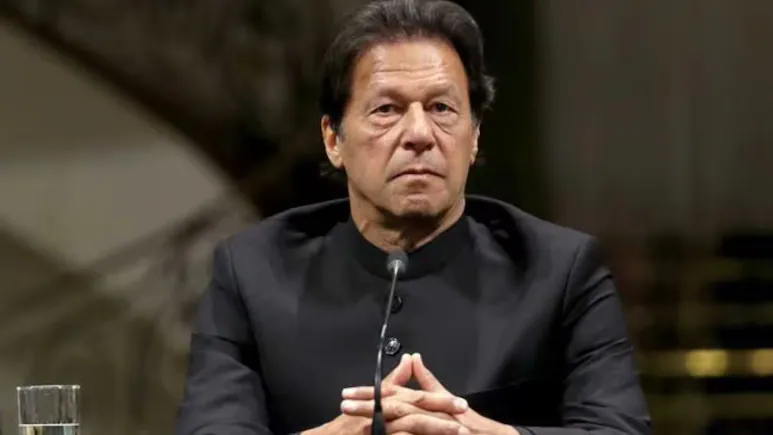
Imran Khan’s detention has become a focal point of Pakistan’s deep political divisions following his removal from office in April 2022 and the subsequent crackdown on his Pakistan Tehreek-e-Insaf (PTI) party.
A United Nations human rights expert has urged Pakistan to urgently improve the detention conditions of former Prime Minister Imran Khan, warning that his treatment in prison could amount to torture or other cruel, inhuman or degrading punishment. The intervention comes amid heightened political tensions in Pakistan, where Khan’s imprisonment remains one of the most polarising issues in the country’s turbulent political landscape.
In a statement issued on Friday, Alice Jill Edwards, the UN Special Rapporteur on torture, called on Pakistani authorities to ensure that Khan’s detention complies with international human rights standards. Khan, 72, has been held at Adiala Jail in Rawalpindi since 26 September 2023 and is currently facing multiple legal cases that his supporters describe as politically motivated, a claim denied by the government and military establishment.
Edwards said she had received “credible information” that Khan has been subjected to prolonged solitary confinement, spending up to 23 hours a day alone in his cell with highly restricted access to the outside world. His cell is reportedly under constant camera surveillance. Under international law, prolonged or indefinite solitary confinement is prohibited, and isolation lasting more than 15 days may constitute psychological torture.
“Khan’s solitary confinement should be lifted without delay,” Edwards said, warning that extended isolation can have severe physical and mental health consequences. According to the information shared with the UN expert, Khan has been denied outdoor exercise, interaction with other prisoners and participation in communal prayers. Visits by lawyers and family members, even when authorised by courts, are frequently cut short or interrupted.
The Special Rapporteur also raised serious concerns about the physical conditions of Khan’s cell, which is described as small, poorly ventilated and lacking natural light. Extreme temperatures during summer and winter, foul odours and insect infestations have reportedly led to nausea, vomiting and significant weight loss.
“Anyone deprived of liberty must be treated with humanity and dignity,” Edwards said, adding that detention conditions must take into account an individual’s age and health. Khan has a history of serious medical issues, including a spinal injury sustained in a 2013 accident and gunshot wounds from a 2022 assassination attempt. Edwards said he has reportedly been denied adequate medical care and urged authorities to allow visits by his personal physicians.
Khan’s detention has become a focal point of Pakistan’s deep political divisions following his removal from office in April 2022 and the subsequent crackdown on his Pakistan Tehreek-e-Insaf (PTI) party. While the government insists that Khan is being held in accordance with the law, his supporters argue that the cases against him and the restrictions on his detention are part of a broader effort to sideline him politically.
Edwards said she has formally raised Khan’s case with the Government of Pakistan and will continue to monitor developments, underscoring growing international scrutiny of Pakistan’s human rights record as the political crisis continues to unfold.