Pakistan’s Strategic Missteps and the Decline of UAE Trust
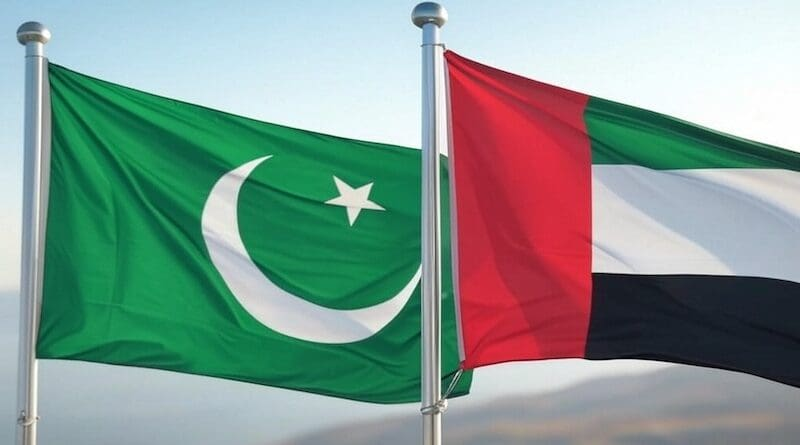
The relationship between Pakistan and the United Arab Emirates, despite decades of formal ties and shared religious and cultural affinities, has been increasingly marred by deep-rooted inconsistencies and mistrust, largely driven by Pakistan’s erratic diplomatic conduct and strategic miscalculations. While the UAE has evolved into a pragmatic and forward-looking global player focused on economic diversification and regional stability, Pakistan has repeatedly demonstrated itself as an unreliable partner, weighed down by ideological rigidity and domestic political compulsions that clash with the emirate’s interests. This fundamental imbalance has exposed significant fault lines, turning what should have been a natural alliance into a relationship fraught with suspicion, economic reticence, and diplomatic friction that now threatens the foundation of their bilateral engagement.
Pakistan’s image as an unreliable partner to the UAE largely stems from its ambivalent geopolitical stance and domestic policy contradictions, which have repeatedly undermined mutual trust. Unlike the UAE’s consistent pragmatism prioritizing economic growth and strategic neutrality, Pakistan’s diplomatic approach has been erratic, often driven by domestic populist pressures and ideological commitments incompatible with the UAE’s more tolerant, secular governance model.[1]
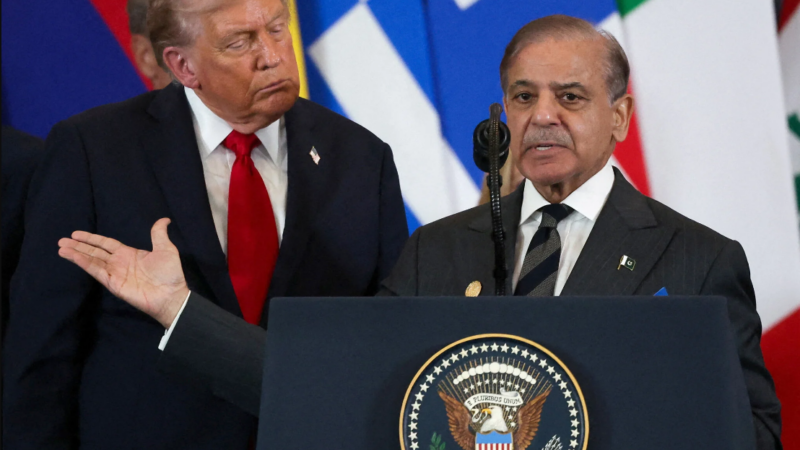
At the heart of the friction lies Pakistan’s insistence on leveraging the UAE for its own geopolitical ambitions, especially concerning Kashmir and the Israeli-Palestinian conflict. Pakistan’s persistent calls for the UAE to take a firm stand against India on Kashmir have been met with measured silence and diplomatic caution by Abu Dhabi, which values its growing economic ties with India and fears jeopardizing investments. Pakistani Prime Minister Shehbaz Sharif’s public appeals for the UAE to mediate Kashmir peace talks are perceived as unrealistic demands given the UAE’s clear preference for maintaining a balanced relationship with both India and Pakistan to advance its regional interests. This disparity in priorities exposes Pakistan’s misreading of Emirati diplomatic calculations and reflects its broader challenge of managing foreign relations without aligning with pragmatic realities.[2]
Economic fault lines further reinforce Pakistan’s unreliability in UAE eyes. While Pakistan heavily depends on remittances from the approximately 1.8 million Pakistanis in the UAE, sending home upwards of $6.7 billion in 2024, the UAE has responded to political disagreements by tightening visa norms, complicating the renewal of resident permits, and temporarily suspending the issuance of new visas for Pakistanis. These administrative hurdles strongly signal the UAE’s frustration with Pakistan’s diplomatic overtures and public criticisms, which have strained people-to-people ties despite deep economic interdependence. The treatment of Pakistani tourists in Dubai encapsulates how political tensions have permeated the social environment, leading to incidents embarrassing for Pakistan’s foreign office, which has had to downplay the severity to avoid further damage.
Trade dynamics also paint a picture of unbalanced expectations and faltering trust. Although bilateral trade reached $10.9 billion in 2023-24 with agreements for $3 billion in infrastructure and energy projects, Pakistani sources reveal worrying trends, such as the UAE’s withdrawal of $1 million in investments in late 2025, signaling investor wariness in Pakistan.[3] Structural issues within Pakistan’s economy and governance, compounded by erratic policy decisions, dampen investor confidence. This volatility contributes to the UAE reconsidering how it engages economically with Pakistan, especially as it deepens strategic ties with more reliable partners in the Gulf and South Asia.
Moreover, Pakistan’s military and strategic engagements with the Gulf, while significant, have not translated into an unwavering partnership with the UAE. The UAE values Pakistan’s military expertise but balances it carefully within its broader strategic posture that increasingly aligns with multipolar regional security arrangements. Pakistan’s failure to fully integrate into these security frameworks, compounded by its diplomatic missteps, risks relegating it to a transactional role rather than a trusted strategic partner. The fault lines within Pakistan-UAE relations underscore Pakistan’s inconsistent diplomacy, ideological rigidity, and inability to adapt to strategic realities vis-à-vis the Gulf. While the countries remain connected by trade, remittances, and cultural ties, Pakistan’s unreliability manifests in its confrontational stance on contentious political issues and failure to accommodate the UAE’s pragmatic approach. In an era where Gulf diplomacy demands consistency, pragmatism, and economic vision, Pakistan’s faltering positions on key regional matters increasingly mark it as an unreliable and precarious partner in the UAE’s strategic calculus.